Introduction
A store plan goes beyond what you’re selling; it’s about how you make your store easy to navigate and use. An effective layout helps customers shop easier, while also helping your employees do their jobs more efficiently.
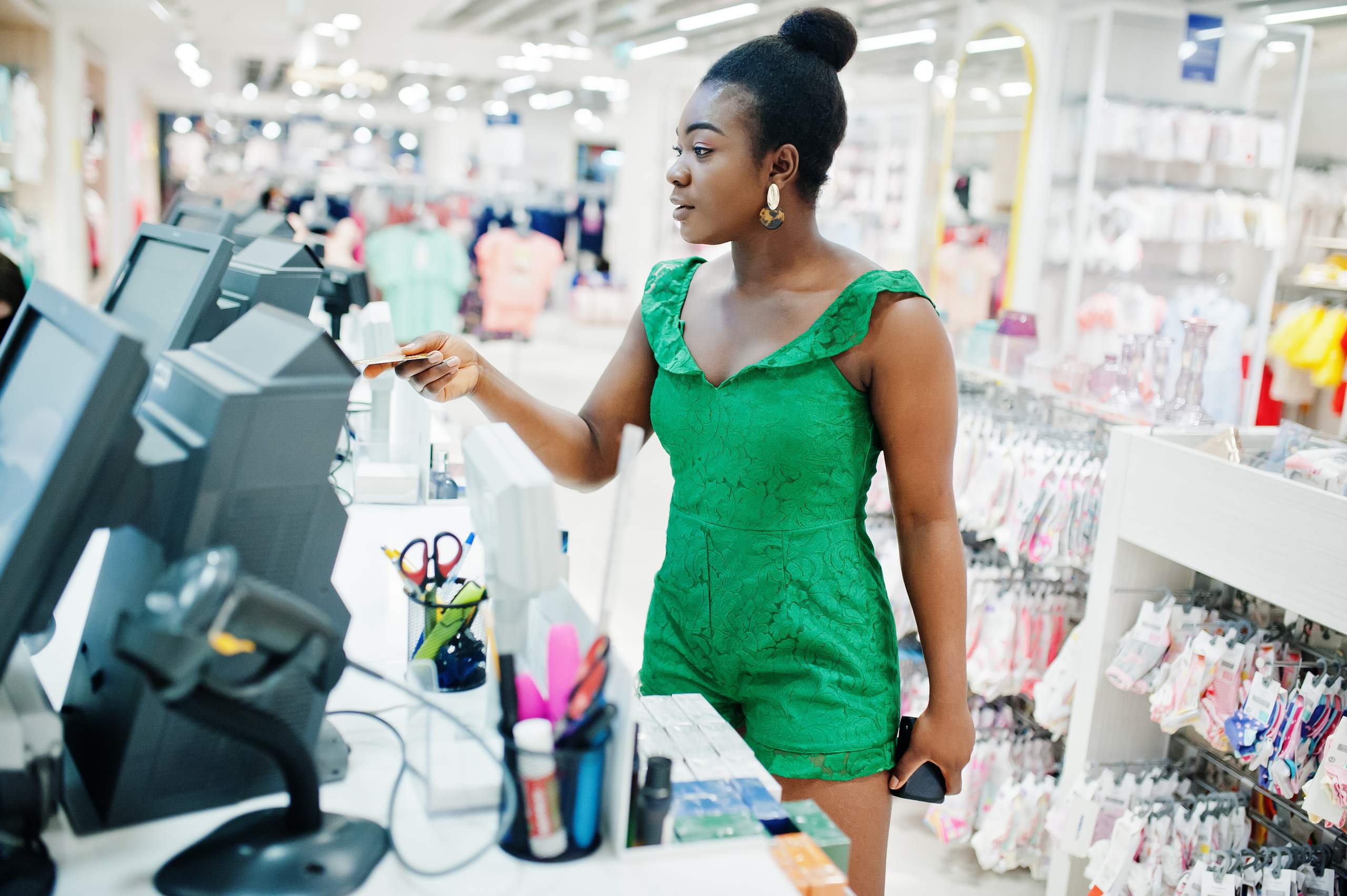
In any retail setting, equipment can make or break the experience for both customers and employees. From shelves and racks to checkout counters, every piece of equipment has a role in creating an organized, customer-friendly store.
Navigating Your Customers
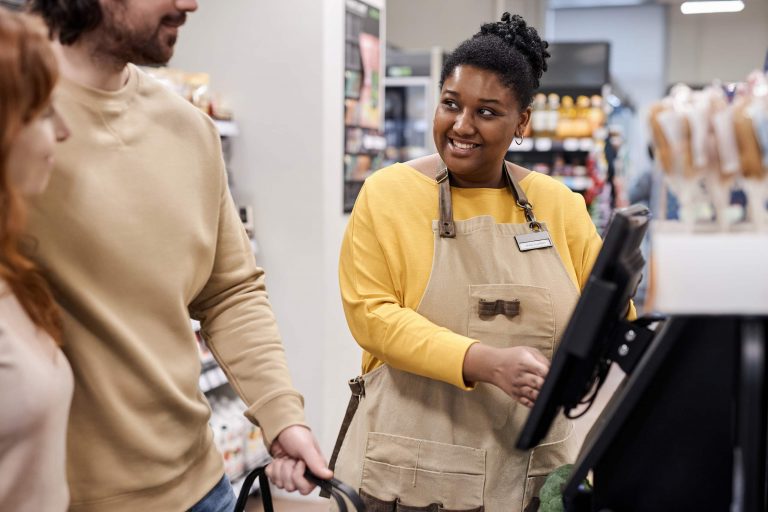
A store layout is planned around the flow of your customers. It’s about how they enter the store, where they go first, and how they make their way from one aisle to another. By guiding your customers through the store effectively, they’ll stay longer and find what they need more quickly.
Planners analyze how customers move through a store and decide which products to put where. Often, a commonly bought item will be placed far away to force a shopper to pass other items. In addition, a larger aisle can help reduce traffic jams during peak hours.
Choosing Store Equipment
Depending on the type of retail you operate, your equipment requirements will vary. A grocery store, a department store, an electronics store, and a drugstore all require a slightly different set of equipment.
For instance, the shelving system used in a grocery store will have to accommodate heavy items like bags of flour or cases of soda. Meanwhile, a department store may use slatwall panels to showcase their merchandise while still keeping things looking neat.
When selecting equipment for your store, you’ll want to consider its cost, its durability, and how well it fits your store layout. The right equipment will increase your productivity and enhance the customer experience.
Optimizing Store Operations
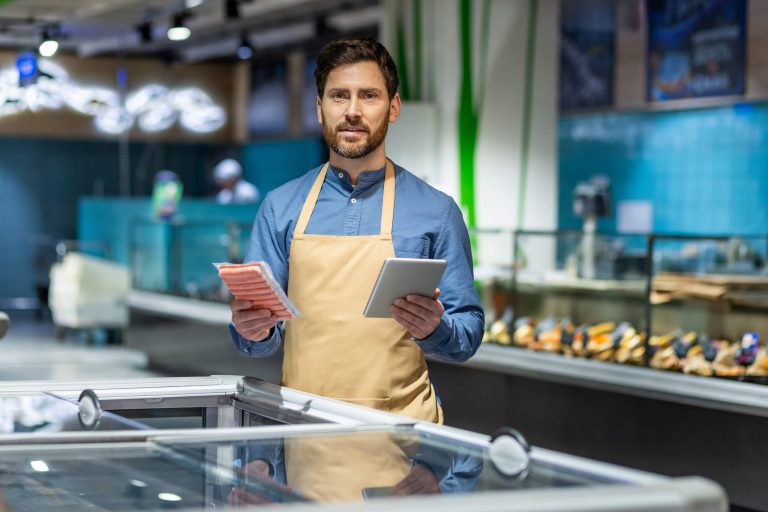
An effective store plan also optimizes your store operations. Organized storage systems help reduce the time it takes employees to find items and restock the shelves. Furthermore, strategically placed equipment minimizes the distance between storage and sales floors.
With the rise of e-commerce, many retailers have implemented inventory tracking software that ties into their POS systems. This allows retailers to see how much product they have in stock and how fast certain items are selling. This information can help guide future buying decisions.
Efficient equipment usage also reduces unnecessary movement and improves the safety of your workers.
Future of Retail
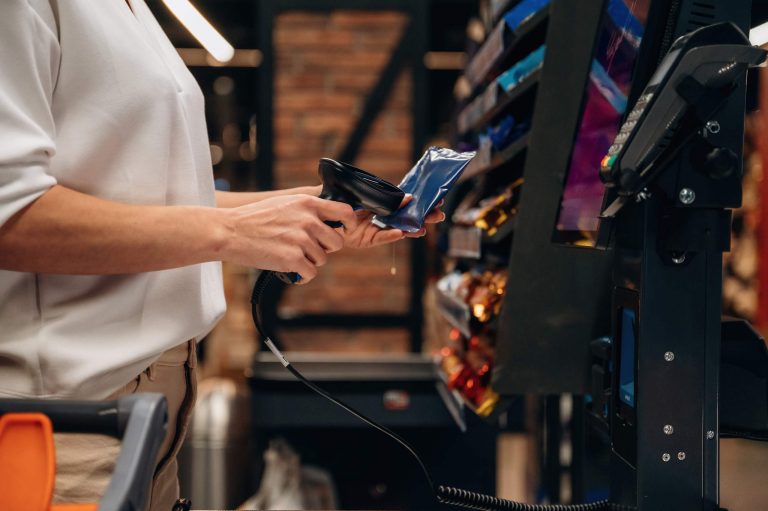
Retail is a dynamic field that constantly adapts to the latest trends and technology. Today, many stores feature automated checkout lanes, digital shelf labels, and smart shelves that track inventory in real time. These features make life easier for both your customers and your staff.
Additionally, as consumer preferences change over time, retailers must be able to adapt their stores accordingly. Modular equipment makes it easier to change your store layout at any time without requiring a complete overhaul.
Those who possess the skills and knowledge necessary to plan out a successful store layout will be invaluable assets as the retail industry moves forward.
Summary
A well-thought-out store plan incorporates everything from the choice of equipment to the layout of your sales floor. Every piece of furniture, every display, and every checkout counter serves a purpose. A thoughtfully designed store creates a better experience for your customers and streamlines operations for your employees.
As the retail landscape evolves, those who have expertise in store planning and equipment selection will be in demand.