Overview
Today’s retail stores don’t just need to showcase products. They require the right retail equipment to support operations, improve service quality, and increase efficiency. Every item from shelving and checkout stations to digital signage and storage tools is essential for running a profitable retail business. Learning about these pieces of equipment helps store managers, designers, and others work together to design functional and customer-oriented spaces.
Designing Functional Store Layouts
Before installing any equipment, store owners and designers take the time to study how the store is laid out, how customers move through the store, what kind of products they sell, and what type of operations they run. All of these details affect where they place shelving, displays, checkouts, and storage areas.
Proper planning allows customers to easily navigate the store and find what they want. It also allows staff to easily access the products to keep the shelves full and make sure they have enough stock on hand. Good placement of equipment also ensures that the store is accessible and that aisles don’t get too crowded when there are lots of customers.
Good retail planning considers both aesthetics and functionality so that the entire store provides an enjoyable shopping experience.
Display and Storage Equipment
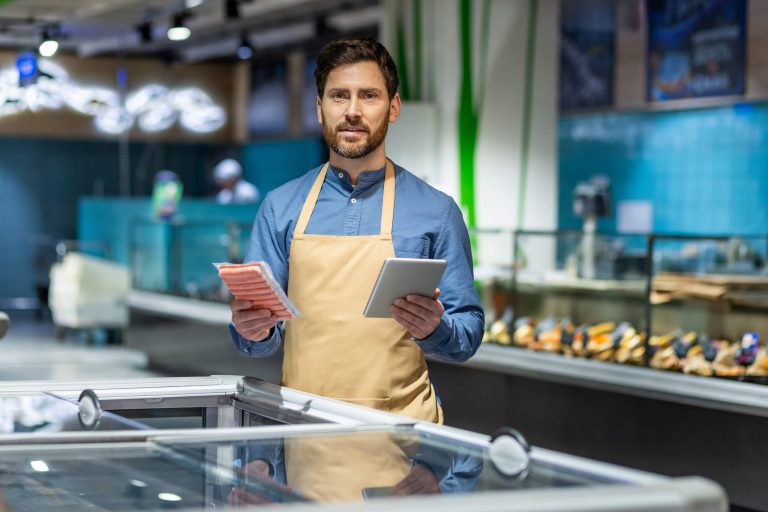
Display equipment helps showcase products and encourages customers to browse the store. Shelving, display racks, tabletop displays, and refrigerated cases each serve a specific purpose. Storage equipment isn’t seen by customers but it’s essential for the back of the house. Stockrooms, storage racks, and inventory systems allow staff to find items quickly and keep track of how many of each item they have. This means less time is spent looking for items to restock shelves and everything runs smoothly.
Display and storage equipment are connected in that they both affect how well a store operates.
Checkout Systems and Customer Service
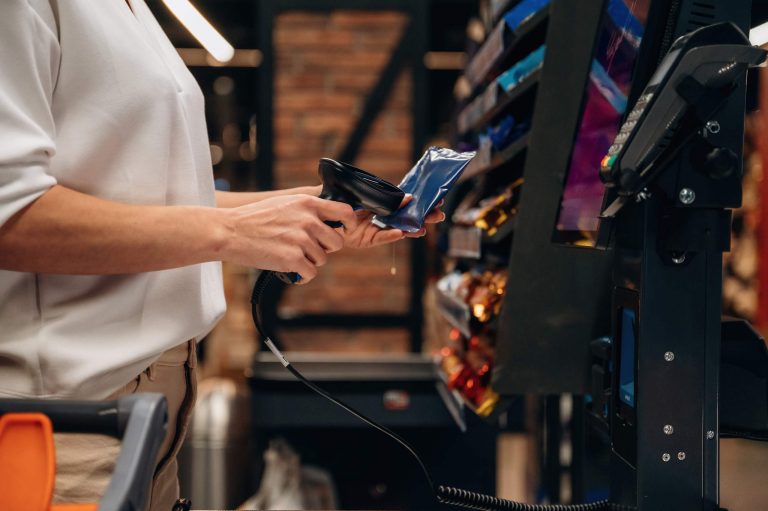
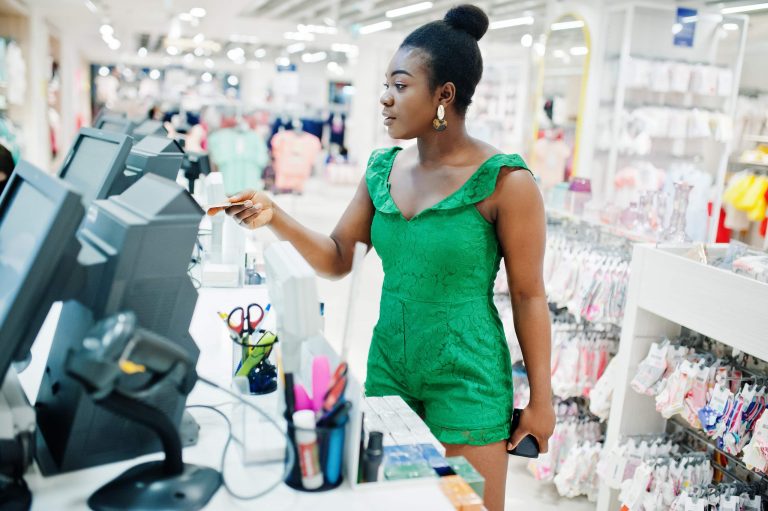
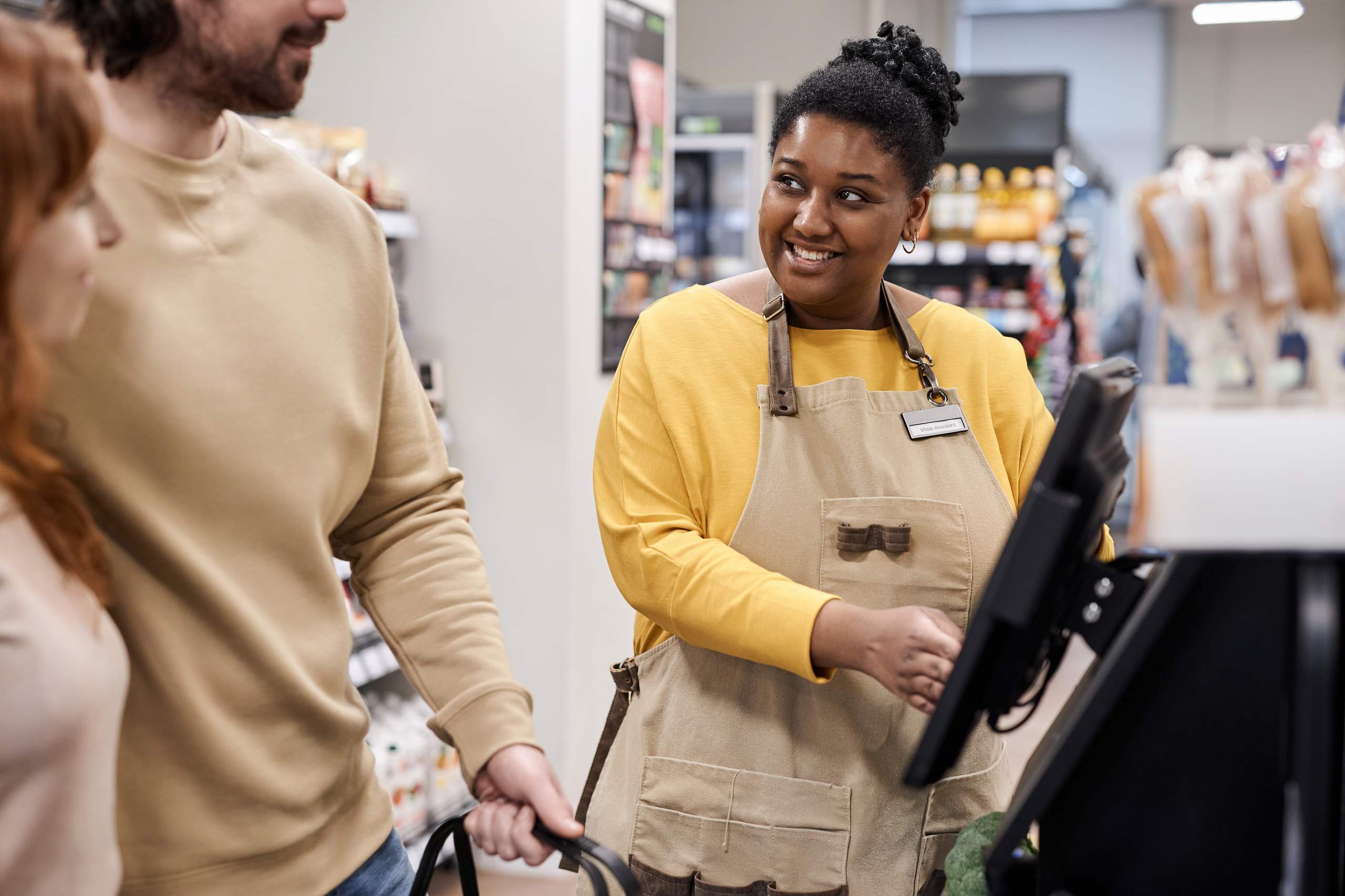
The checkout area is vital to any retail business. Modern point-of-sale systems allow for fast transactions and help track inventory, generate sales reports, and keep track of customers. Items such as barcode scanners, card readers, receipt printers, and self-checkout kiosks all speed up the checkout process and reduce wait times.
Retail technology keeps advancing, making checkout systems more efficient. Contactless payments, mobile POS systems, and integrated software make it easier for stores to operate and give customers the convenience of buying in the way they want. Having the right checkout equipment not only improves the store’s performance but also leaves customers with a good last impression of their shopping experience.
Keeping Retail Equipment Running
No matter how well-built, retail equipment needs to be maintained in order to keep working. Regular cleaning, inspections, software updates, and repair work help keep equipment from breaking down unexpectedly and disrupting store operations. Stores usually have maintenance schedules to make sure shelves are secure, electronics are working properly, and safety standards are met. Taking care of equipment before problems arise helps extend the life of the equipment and lowers operating expenses. Employees who know how to properly use and care for equipment help create a safer and more productive work environment.
What’s Next for Retail Equipment?
New technologies and solutions for improving customer interaction and operational efficiency are always being developed. Smart shelving, digital price tags, interactive screens, automated inventory tracking, and AI are becoming more commonplace in retail. These innovations enable retailers to respond more quickly to customer needs, improve inventory accuracy, and cut down on manual labor. Those who understand both conventional retail equipment and new technology will be well-equipped for the future of retail.
Summary
Retail equipment is key to a successful store. From the layout and shelving to checkout equipment and digital technology, everything works together to create a great shopping experience and improve business results. Understanding how retail equipment aids in merchandising, inventory management, customer service, and day-to-day operations helps retailers create stores that are organized, efficient, and ready for today’s retail landscape.