Introduction
Over the last several decades, the retail industry has transformed significantly. Many stores once considered standard shelving units and cash drawers as sufficient equipment. These items have since been replaced by advanced equipment that incorporates cutting-edge features and digital components. As such, the retail industry has greatly improved its equipment to meet current consumer needs and enhance business productivity.
To understand the changes that have occurred, it is helpful to know what types of equipment retailers used previously and how retail equipment has evolved over time. Today, businesses require retail equipment that offers maximum flexibility, reliability, and functionality to thrive in a competitive retail landscape.
Retail Equipment Used Previously
Historically, retail stores used equipment with little technological sophistication. Wooden shelving units, glass display cases, manual scales, and mechanical cash drawers were common in stores of all sizes. While they were useful, these tools required a lot of manual effort from workers.
Additionally, most stores used pen and paper to keep track of inventory and updated product prices manually, which made checkouts much slower. As retail operations grew and the number of items available increased, retailers needed equipment that allowed for quicker and more efficient operations.
Nevertheless, traditional equipment design remains an important part of today’s retail environment. Clear and accessible product displays, well-organized shelving, and durable fixtures are still considered essential features for any store.
The Rise of Modern Retail Technologies
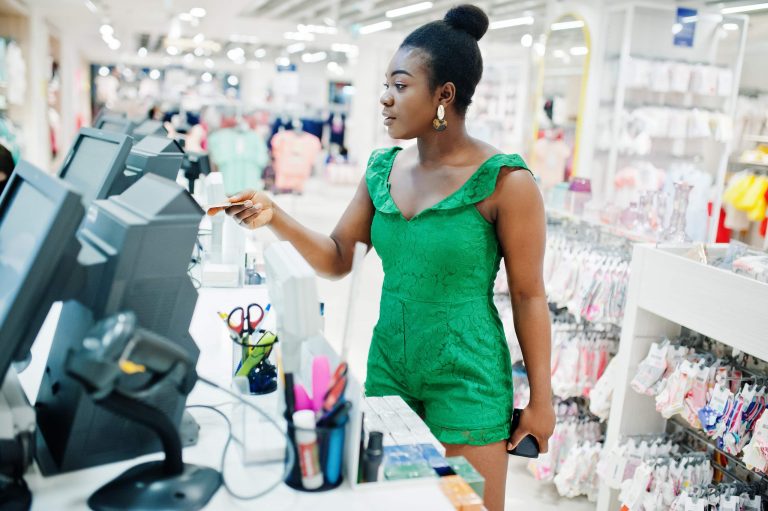
With the advent of modern technologies, the retail industry quickly adopted new ways of operating. Electronic point-of-sale (POS) systems replaced mechanical cash drawers, allowing stores to process payments, track inventory, and generate sales reports on a single system.
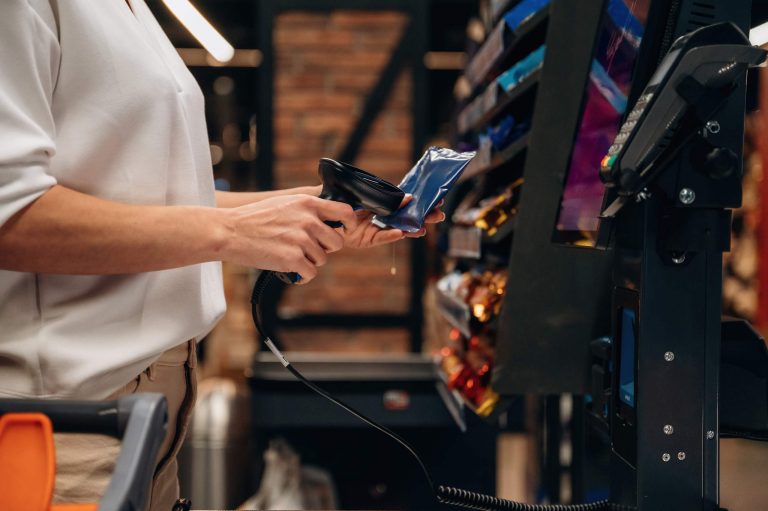
Bar code scanners, credit card readers, and inventory management systems reduced the amount of paperwork required while increasing the speed and accuracy of transactions. Retailers were now able to track customer behavior, better manage inventory, and make informed business decisions based on real-time data.
Similarly, new designs for retail equipment allowed for the development of modular shelving systems, adjustable display racks, and custom storage solutions that offered greater flexibility for stores of all sizes.
Smart Equipment in Today’s Retail Industry
In today’s retail environment, many stores have embraced smart technologies to improve store operations and enhance customer convenience. Digital shelf labels allow retailers to change prices instantly throughout the store, reducing the need for manual labor and eliminating costly mistakes. Self-checkout kiosks allow customers to make purchases without waiting in line and help stores better manage peak hours.
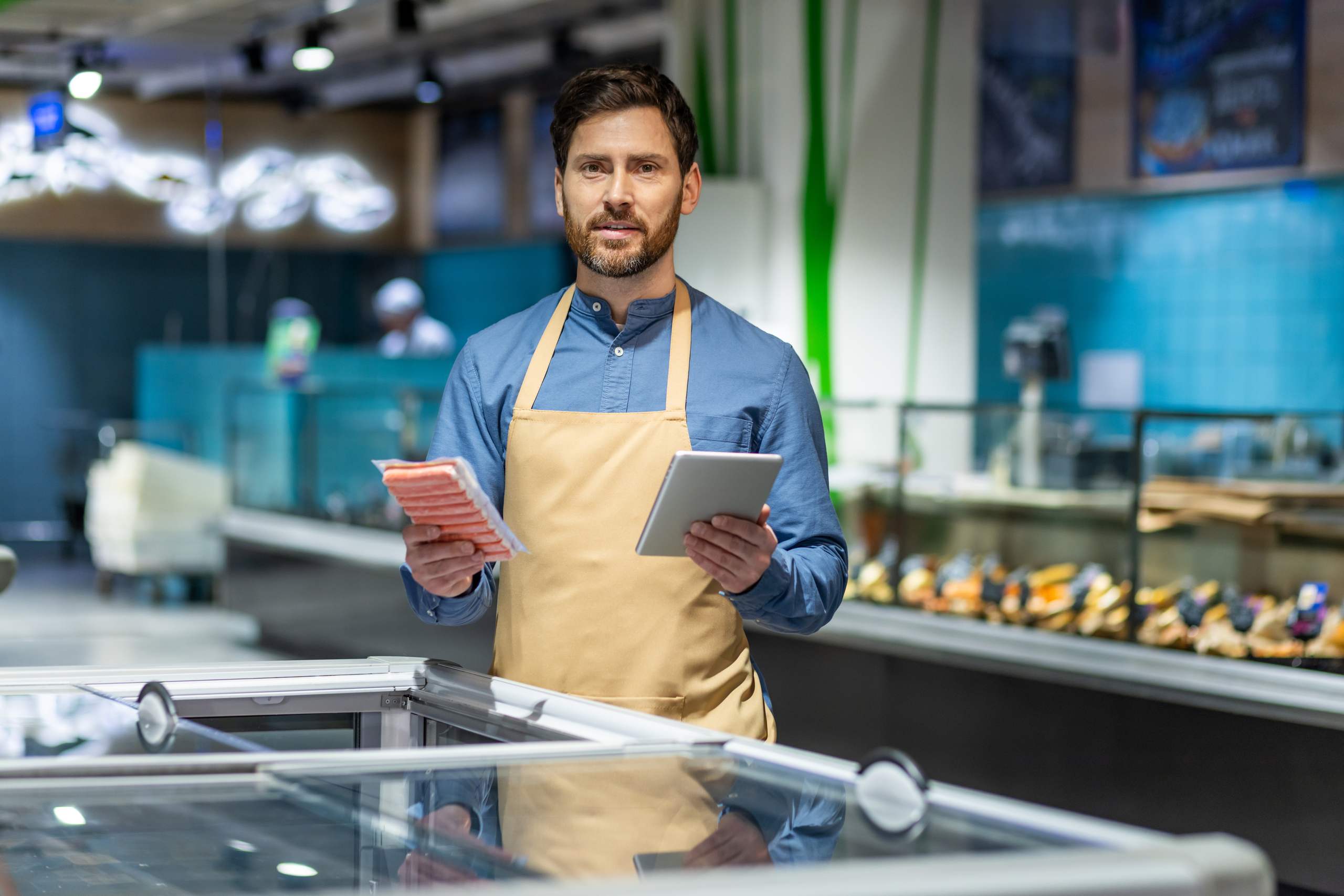
In some stores, automated inventory systems track inventory levels in real-time and alert staff when supplies run low. Touch-screen kiosks, interactive displays, and smart merchandising systems offer shoppers more information and enhance the overall shopping experience.
These innovations demonstrate how retail equipment has shifted from passive product support to active business management.
The Future of Retail Equipment
As the retail industry evolves, retail equipment will continue to advance with automation, artificial intelligence, and data analytics. In the coming years, we can expect to see more advanced inventory tracking, robots, computer vision, and personalized shopping solutions that enhance the retail experience.
To stay ahead of these trends, retail professionals must understand both traditional equipment and the newest advancements in retail technology. Companies will need to find qualified experts who can help them navigate the complex world of retail equipment selection and deployment.
With proper training, retail professionals can continue to provide the best possible service to customers and maintain the momentum of the industry.
Conclusion
The development of retail equipment mirrors the development of the retail industry. From simple display stands and manual cash registers to sophisticated digital equipment and automated processes, each new advancement has helped businesses serve customers more effectively.
By learning about how retail equipment has changed over time, professionals can make more informed decisions about store design, technology, and operations. As the retail industry continues to grow, retail equipment knowledge will continue to be a critical asset for any company that wants to succeed.